6 strategic reasons companies outsource IT to India
For decision-makers, outsourcing IT to India is no longer just a cost decision. It has become a strategic lever for accessing talent, scaling delivery, and accelerating digital initiatives. While the outsourcing landscape has evolved, India continues to play a central role for organisations that approach it with the right expectations and structure. Below are six reasons why India remains a leading IT outsourcing destination for international companies in 2026 and beyond.

India is one of the most popular outsource destinations in the world, with around 65% of all outsourced IT and R&D globally being moved to India.
Head of IT for Maier+Vidorno, IndiaConnected’s partner in India, Satish Tripathi shares the six reasons why India is the best outsource option for your IT department or R&D team:
1. Access to a large, skilled technology talent pool
India has one of the world’s largest and most diverse technology workforces. Each year, the country produces a substantial number of engineers and IT professionals across disciplines including:
-
software development;
-
cloud and infrastructure;
-
data and analytics;
-
cybersecurity;
-
enterprise systems.
For companies facing skills shortages at home, India offers scale and depth that is difficult to replicate locally — particularly for growing or long-term technology programs.
2. Cost efficiency — with realism
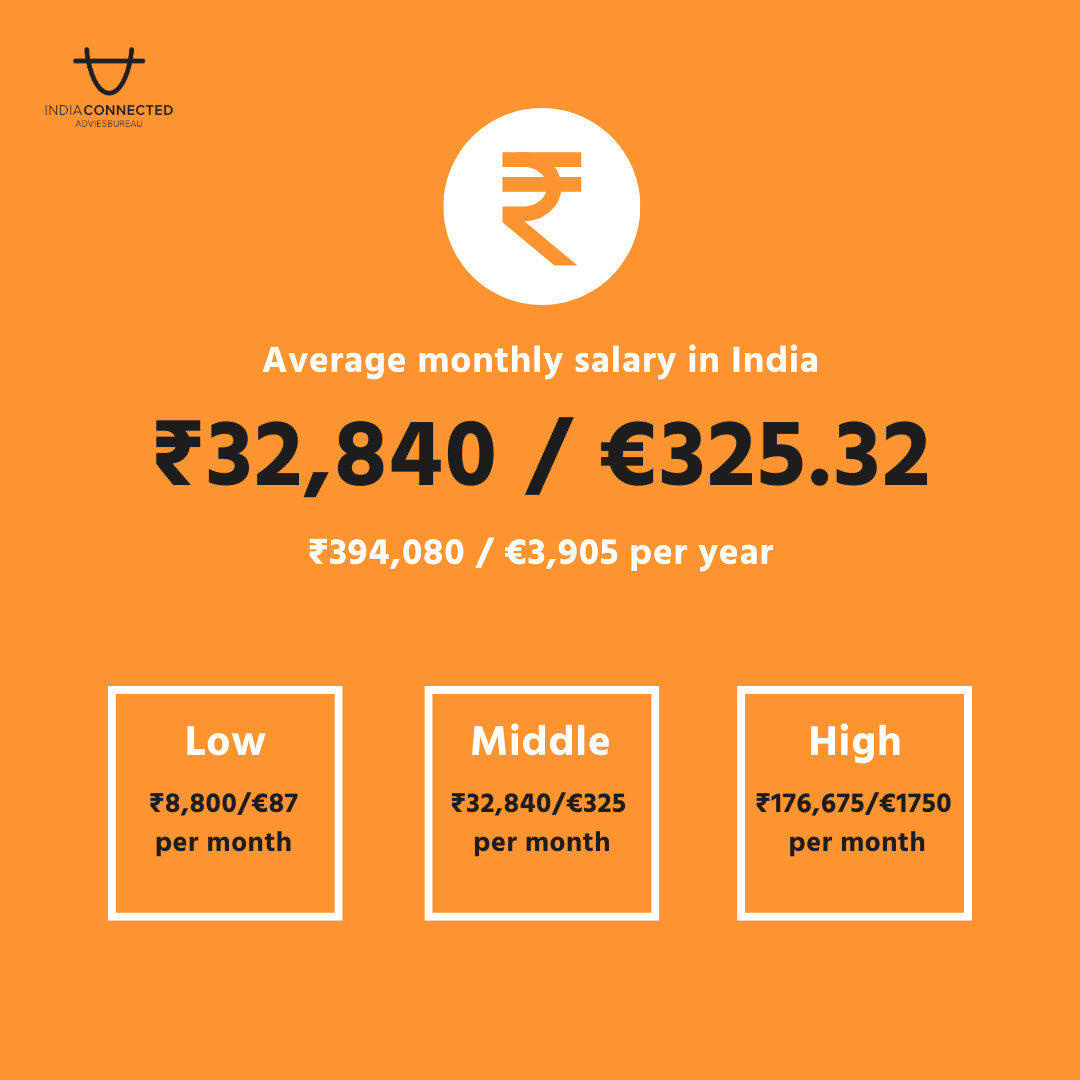
India remains cost-competitive compared to Western countries, even though salaries for experienced and specialized talent have increased in recent years.
The advantage today is not “cheap labour”, but better cost-to-value outcomes:
-
lower total employment costs;
-
ability to scale teams faster without proportional cost increases;
-
more predictable long-term staffing models.
For decision-makers, this means India can still deliver meaningful savings, especially at team and programme level, when hiring is planned realistically.
3. Indian IT sector is reliable and has high quality standards
Companies providing outsourcing services in India deliver high quality work that meets all international standards. Indian outsource parties work with:
-
The Capability Maturing Model (CMM), which indicates the level of software development in an organization. The model distinguishes five levels, of which 1 is poorly developed and at 5 the development process runs like a well-oiled machine. More than 75% of the worldwide CMM Level 5 certified companies are located in India.
-
The International Standard Organization (ISO 9000), which guarantees the quality of design, development, production and installation. India has the most ISO-9000 certified software companies in the world.
-
Total Quality Management (TQM)
-
Six Sigma Quality Certification
-
Customer Operations Performance Centre (COPC) that ensures the delivery of quality software within the deadline.
With the above standards and certifications, you as a company can be sure that an Indian IT or R&D team is providing your solutions with Western quality.
4. Strong alignment with international working practices
India’s long-standing engagement with international companies has created a workforce that is comfortable operating in:
-
English-language business environments
-
distributed and hybrid team models
-
European time zones with partial daily overlap
-
structured reporting and accountability frameworks
For senior leaders, this cultural and operational alignment is critical to ensuring outsourced teams function as an extension of the organization — not a disconnected vendor.
5. Evolving capabilities beyond traditional outsourcing
India is no longer limited to basic development or support services. Increasingly, European companies are outsourcing or building teams in India for:
-
cloud transformation and modernisation
-
AI, data, and analytics initiatives
-
cybersecurity operations
-
product engineering and R&D
This shift allows decision-makers to use India not just for execution, but also for innovation and capability building.
6. A flexible platform for long-term growth
India supports multiple engagement models, including:
-
traditional outsourcing
-
dedicated offshore teams
-
captive or hybrid delivery centres
This flexibility enables foreign companies to start small and scale over time, adapting their model as business needs evolve. For leadership teams, this reduces upfront risk while preserving strategic optionality.
Key considerations for decision-makers
While India remains highly attractive, successful outsourcing depends on informed decision-making. Leaders should account for:
-
rising salaries in experienced roles
-
competition for top talent in tier-1 cities
-
data security and regulatory compliance (e.g. GDPR)
-
the importance of strong local HR and governance
Companies that approach outsourcing with a long-term, structured mindset achieve significantly better outcomes than those focused solely on short-term cost savings.
We help companies design, build, and manage high-performing IT teams in India. Our approach combines local market expertise with a deep understanding of foreign business expectations — enabling compliant, scalable, and effective outsourcing strategies.
Get in touch with us (without any obligation) to learn more.