Automotive industry in India
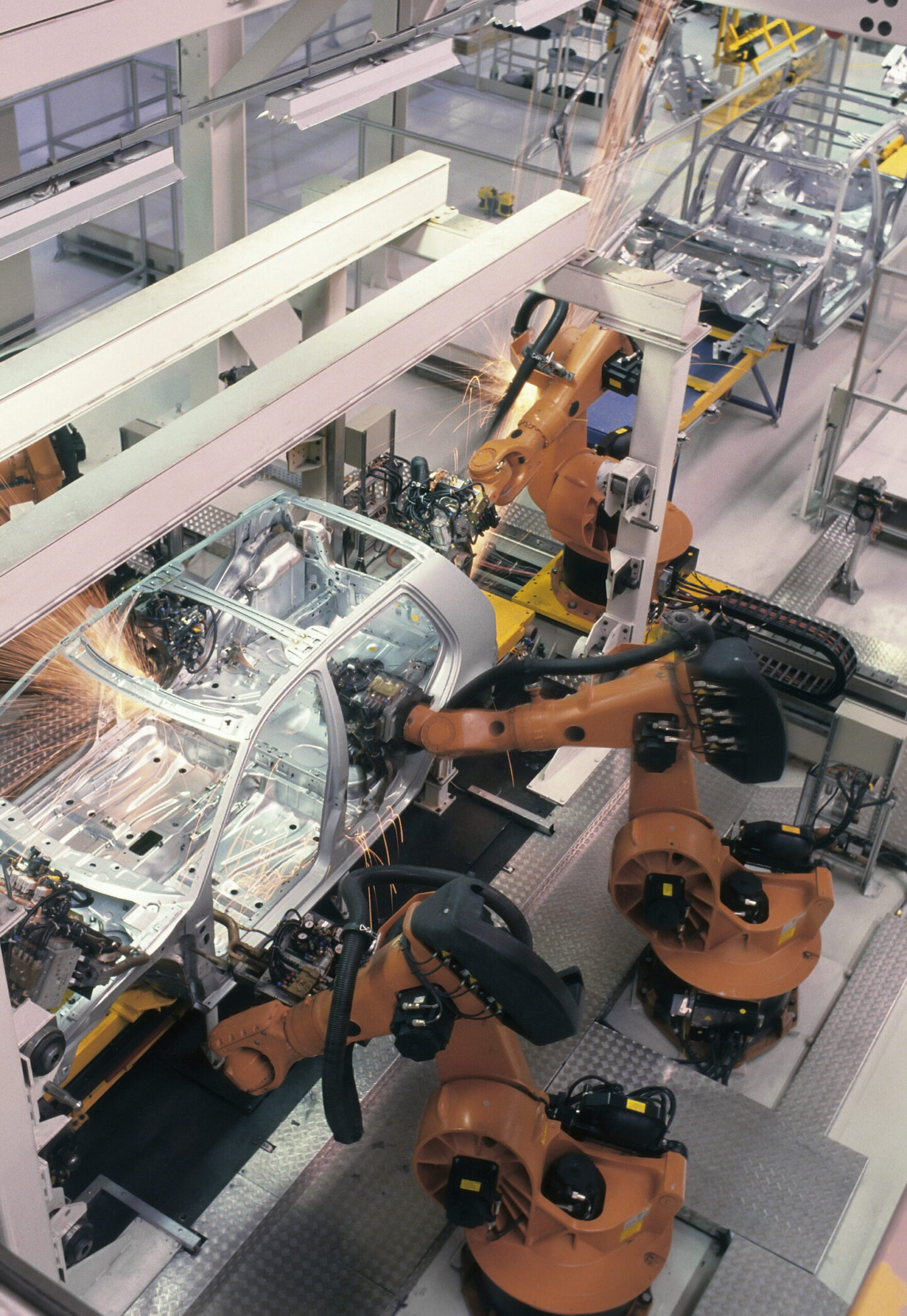
India is one of the four largest car manufacturing countries in the world and offers car manufacturers an attractive sales market.
Schedule a free consultationIndia is one of the four largest automakers in the world and offers carmakers an attractive market. In India, demand for passenger cars does not seem to be slowing down. On the contrary, with a rapidly growing labour force and a middle class with an increasingly higher disposable income, more and more Indians can afford a car. India is expected to be the world’s third largest car market by 2030.
As such, the automobile industry accounts for 7.1% of India’s total GDP. The Indian government wants to increase that share to 12% of GDP, thereby creating 65 million jobs and tripling the turnover of the Indian car industry.

India is therefore an interesting manufacturing location for international car companies. In India, about 87% of car owners are willing to switch to electric vehicles. As a result, the industry already attracted 37.9 billion dollars in investment between 2000 and 2025, among the highest across sectors.
The growth of the sector provides plenty of opportunities for foreign companies. International companies can also draw on a large pool of cheap, skilled labour in India.
Snapshot of the automotive industry in India
- Commercial vehicle exports rose to 1.7 billion dollar in 2024–25, from 1.6 billion in the previous year, reflecting steady demand from West Asia and Africa.
- Overall, India’s car exports grew 24% in 2025.
- The auto parts industry accounts for 25% of the manufacturing GDP. 25% of the total production of auto parts is exported.
- Foreign direct investment (FDI) of 100% under the automatic route is allowed in this sector.
- The Indian automotive industry is the fifth largest auto market and the seventh largest commercial vehicle manufacturer.
- The Indian passenger car market is estimated at 44.5 billion dollars in 2026, and is expected to reach 63.8 billion dollars by 2031. The electric vehicle (EV) market in India is estimated to be valued at 113.99 billion dollars by 2029.
- The Indian car market was valued at 121.5 billion dollars in 2024 and is expected to reach 247.4 billion by 2033, that is a CAGR of 7.3% from 2024 to 2033.


The India-EU Free Trade Agreement represents a watershed moment for European automotive manufacturers, opening up a market that has historically been shielded by prohibitive tariffs of up to 110%. Under the agreement, tariffs will be reduced gradually to 10% across a phased, tiered quota system, starting at 100,000 units in the first year and increasing to 160,000 units by year ten for ICE vehicles, with separate provisions for EVs. Vehicles are divided into three price brackets, each with its own quota and reduction schedule, creating particular opportunities for premium and luxury manufacturers whose products sit in the higher price tiers.
The agreement also eliminates duties on automotive components over 5 to 10 years, significantly reducing the cost of CKD (Completely Knocked Down) local assembly operations — making India a more attractive location for European OEMs considering local production. For manufacturers willing to invest in assembly capacity during the transition period, the combination of lower component duties and phased import quotas creates a structured pathway to build a competitive position in one of the world’s fastest-growing car markets.
Download our free guides on doing business in India
IndiaConnected has a wealth of knowledge and experience on doing business in India. With our informative guides, we help companies get started in India.
Whether you are looking for information on sales, HR, manufacturing, Mergers & Acquisitions or tax issues, you will find all the answers bundled here.

Growth drivers of the automotive industry in India
- India overtook Japan in 2025 and is the world’s third-largest car market.
- India could be a leading market in shared mobility by 2030, providing opportunities for electric and autonomous vehicles.
- Tariff reductions from 110% to 40% immediately and eventually to 10% will make European luxury vehicles 20-30% more affordable, expanding the market to affluent middle-class buyers.
- Complete elimination of duties on automotive parts (previously up to 44%) significantly lowers costs for CKD (Completely Knocked Down) assembly operations, enabling European manufacturers to enhance local production capabilities and improve price competitiveness across vehicle segments.
- The size of the electric vehicle (EV) market in India is estimated to be 54 billion dollars in 2025 and is projected to double to 110.7 billion dollars by 2029.
- While EVs are excluded from tariff cuts for the first five years to protect domestic investments, European manufacturers can leverage this period to establish local EV component manufacturing and battery assembly facilities, positioning for long-term market leadership.
- Duty-free access to EU markets for Indian-manufactured vehicles creates opportunities for European OEMs to establish India as a cost-competitive production base serving global markets, particularly in right-hand-drive configurations for Commonwealth markets.
Interesting investment opportunities
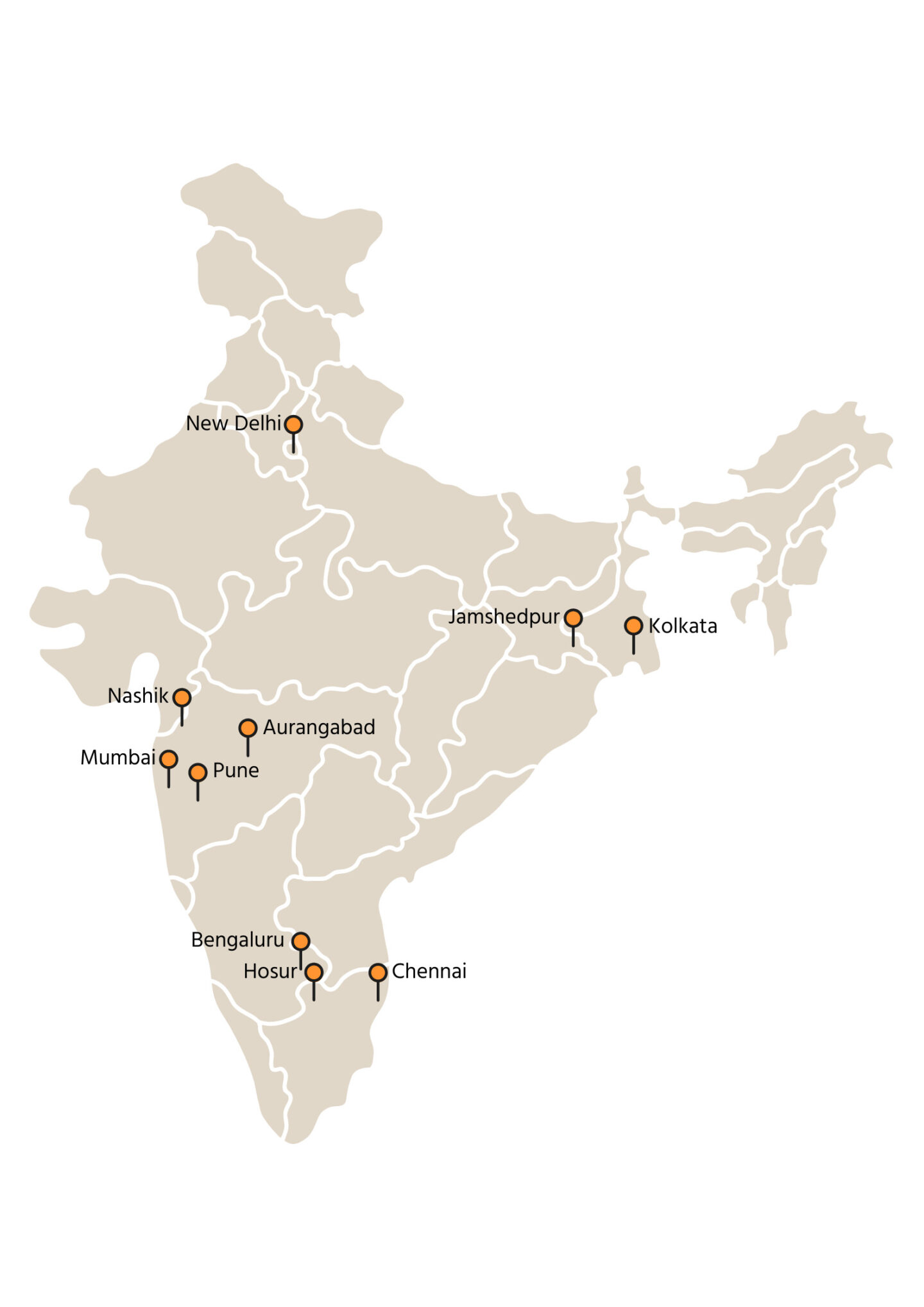
- Premium SUV Manufacturing in Maharashtra: Establish CKD assembly facilities for premium SUVs leveraging Maharashtra’s automotive cluster, targeting India’s fastest-growing vehicle segment with projected 15% CAGR through 2030.
- Luxury Car Import & Distribution Networks: Develop pan-India dealership networks for luxury marques in metros and cities, capitalizing on 20-30% price reductions to capture emerging affluent buyers beyond traditional luxury segments.
- Automotive Component Manufacturing Hubs: Set up specialized component manufacturing for powertrains, electronics, and chassis systems in Tamil Nadu or Gujarat, serving both local assembly operations and export markets with zero-tariff access.
- EV Battery Assembly & Integration: Invest in battery pack assembly and integration facilities ahead of tariff liberalisation in year six, partnering with European cell manufacturers to secure supply chains for India’s projected 10 million annual EV sales by 2030.
- After-Sales Service & Parts Distribution: Expand authorized service center networks and genuine parts distribution infrastructure, as lower component duties significantly improve after-sales economics and customer total cost of ownership.
Do you have a specific question about opportunities in the Indian automotive industry for your company or product?